
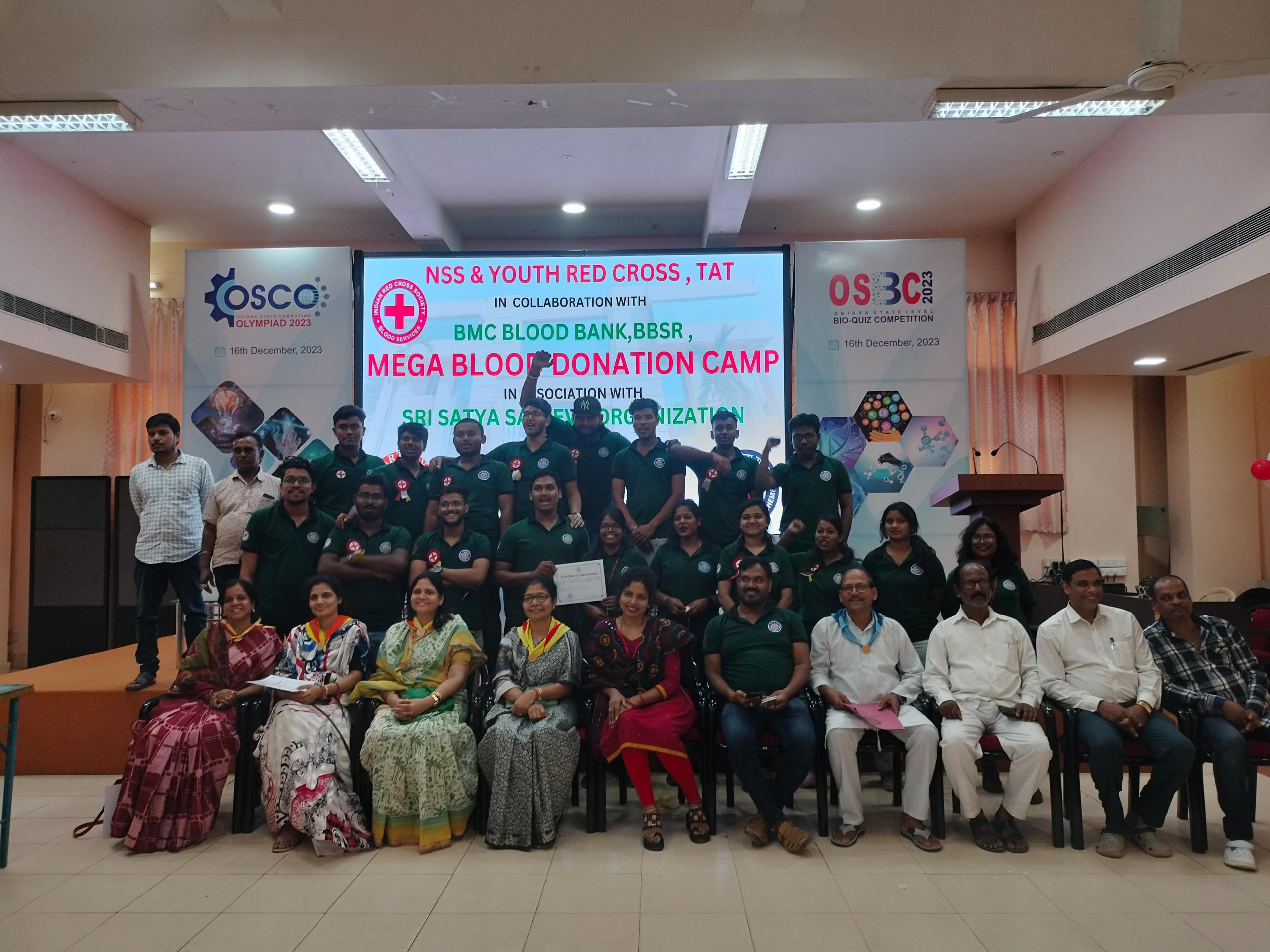
Blood Donation Camp Organized Collaborated with BMC
Promoting Fundamental Principles and Humanitarian Values
The International Committees of the Red Cross and National Societies have a consistent and inspirational approach to promoting humanitarian values and the seven Fundamental Principles of the Red Cross and Red Crescent movement.
The aim is to influence the behaviour of the people we work with, through a better understanding of Fundamental Principles and humanitarian values. The three main target groups are those working within Red Cross and Red Crescent societies, public and private authorities and members of the communities where we work.
The main priorities are:
Developing a better understanding internally
New initiatives are being taken to ensure that Red Cross Red Crescent volunteers and staff understand and act on the basis of the Fundamental Principles in their work with vulnerable people in times of peace, disaster or armed conflict. Training includes : the legal and ideological basis of the Red Cross Red Crescent, decision-making processes, mandates, as well as communications and relations with others.
Influencing behaviour in the community.
The values that the Movement has formally stated to be of importance for promotion are :
- the protection of life, health and human dignity
- respect for the human being
- non-discrimination on the basis of nationality, race, gender, religious beliefs, disability, class or political opinions
- mutual understanding, friendship, cooperation and lasting peace among people
- service by volunteers
Disaster Relief
The Indian sub continent is highly prone to droughts, floods and other natural calamities. Among the states as many as 22 states are said to be multi-disaster-prone regions.
Among all the disasters that occur in India , floods are the most devastating. Over 40 million hectare of land has been identified as flood prone. An average of 18.6 million hectare of land is flooded annually. The Ganga-Brahmaputra-Meghna basin, which carry 60 % of the nation's total river flow causes floods.
Another killer is the earthquake -the most dangerous and disastrous.About 57% of the total area in India is vulnerable to seismic activity of varying intensities. Generally areas located in the Himalayan and sub Himalayan region and Andaman and Nicobar islands are vulnerable to earthquakes.
Drought is an eternal feature of Indian livelihood. 18% of the country's total area is drought prone. Approximately half of the Indian population is affected by drought annually. 68% of the total cultivated area is estimated to be drought prone.
India has the gift of having long coastline, running to about 8040 km. This is exposed to tropical cyclones in the Bay of Bengal and Arabian Sea in the ratio of 4:1. The Indian Ocean is one among the six key cyclone-prone regions of the world. The coromandel coastal line is more prone - about 80% of the total cyclones generated in the region hit here.
Indian Red Cross with the assistance of the Federation and other National Societies reach humanitarian services to the victims of calamities.
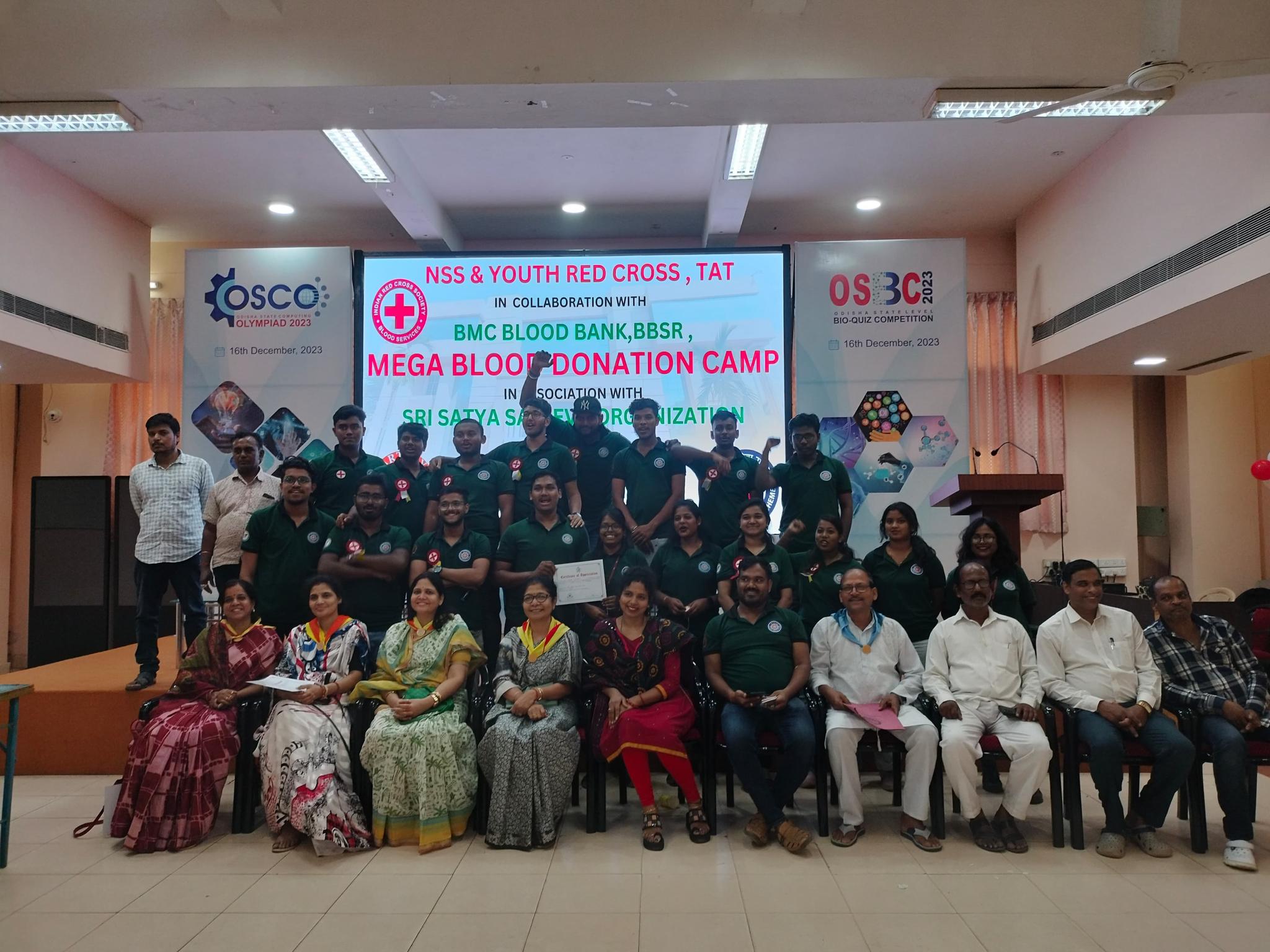
Blood Donation Camp Organized Collaborated with BMC
Promoting Fundamental Principles and Humanitarian Values
The International Committees of the Red Cross and National Societies have a consistent and inspirational approach to promoting humanitarian values and the seven Fundamental Principles of the Red Cross and Red Crescent movement.
The aim is to influence the behaviour of the people we work with, through a better understanding of Fundamental Principles and humanitarian values. The three main target groups are those working within Red Cross and Red Crescent societies, public and private authorities and members of the communities where we work.
The main priorities are:
Developing a better understanding internally
New initiatives are being taken to ensure that Red Cross Red Crescent volunteers and staff understand and act on the basis of the Fundamental Principles in their work with vulnerable people in times of peace, disaster or armed conflict. Training includes : the legal and ideological basis of the Red Cross Red Crescent, decision-making processes, mandates, as well as communications and relations with others.
Influencing behaviour in the community.
The values that the Movement has formally stated to be of importance for promotion are :
- the protection of life, health and human dignity
- respect for the human being
- non-discrimination on the basis of nationality, race, gender, religious beliefs, disability, class or political opinions
- mutual understanding, friendship, cooperation and lasting peace among people
- service by volunteers
Disaster Relief
The Indian sub continent is highly prone to droughts, floods and other natural calamities. Among the states as many as 22 states are said to be multi-disaster-prone regions.
Among all the disasters that occur in India , floods are the most devastating. Over 40 million hectare of land has been identified as flood prone. An average of 18.6 million hectare of land is flooded annually. The Ganga-Brahmaputra-Meghna basin, which carry 60 % of the nation's total river flow causes floods.
Another killer is the earthquake -the most dangerous and disastrous.About 57% of the total area in India is vulnerable to seismic activity of varying intensities. Generally areas located in the Himalayan and sub Himalayan region and Andaman and Nicobar islands are vulnerable to earthquakes.
Drought is an eternal feature of Indian livelihood. 18% of the country's total area is drought prone. Approximately half of the Indian population is affected by drought annually. 68% of the total cultivated area is estimated to be drought prone.
India has the gift of having long coastline, running to about 8040 km. This is exposed to tropical cyclones in the Bay of Bengal and Arabian Sea in the ratio of 4:1. The Indian Ocean is one among the six key cyclone-prone regions of the world. The coromandel coastal line is more prone - about 80% of the total cyclones generated in the region hit here.
Indian Red Cross with the assistance of the Federation and other National Societies reach humanitarian services to the victims of calamities.